Author: Pat Henry

  • Cycling and the Aging Brain: What the Science Actually Says

    Cycling and the Aging Brain: What the Science Actually Says

    A post popped up in my Facebook feed this week from The Cycling Week with the headline “Scientists Say Cyclists May Keep Their Brains Younger for Decades.” My first instinct — as it should be with anything wearing a “BREAKING” banner and stock virus imagery — was a raised eyebrow. But I dug in, and it turns out there’s a real, peer-reviewed study underneath the clickbait. And it’s worth talking about as it relates to cycling and brain health.

    The study was published in June 2025 in JAMA Network Open, led by Dr. Liangkai Chen at Huazhong University of Science and Technology, with collaborators at the University of Sydney. They followed 479,723 UK Biobank participants for an average of 13 years, tracking how people’s main mode of transport related to their later risk of dementia.

    What the Evidence Says About Cycling and Brain Health

    The findings are genuinely striking as it pertains to cycling and brain health . People who cycled — or mixed cycling with other forms of travel — had a 19% lower risk of all-cause dementia and a 22% lower risk of Alzheimer’s than those relying on non-active travel. For young-onset dementia (before age 65), the protective effect jumped to 40%. Brain scans on a subset of participants also showed cyclists had greater volume in the hippocampus, the memory region that’s first to suffer in Alzheimer’s.

    Why Cycling Specifically?

    Why cycling specifically? The leading theory is that it’s an aerobic workout plus a cognitive workout — balancing, navigating, judging traffic, scanning the road — all with your heart rate up. That combination seems to do something for the brain that walking alone doesn’t quite match.

    The Honest Caveats

    Now, the honest caveat: this is an observational study, not a controlled trial. It shows a strong association, not proven cause-and-effect. The “younger for decades” framing belongs to the aggregator, not the researchers. And the people who cycle for transport tend to be healthier in other ways the study can only partly adjust for.

    But it’s a large, serious, peer-reviewed study, and it lines up with a growing body of evidence pointing in the same direction.

    The takeaway for Active Agers? The bike you ride for the joy of it, the fitness, the freedom — may also be quietly doing some of the most important work going on in your body. Keeping the lights on upstairs.

    So clip in and ride. The science is finally catching up to what we already suspected.

    Source: Hou C, et al. Active Travel Mode and Incident Dementia and Brain Structure. JAMA Network Open. 2025;8(6):e2514316. Read the full open-access paper here.

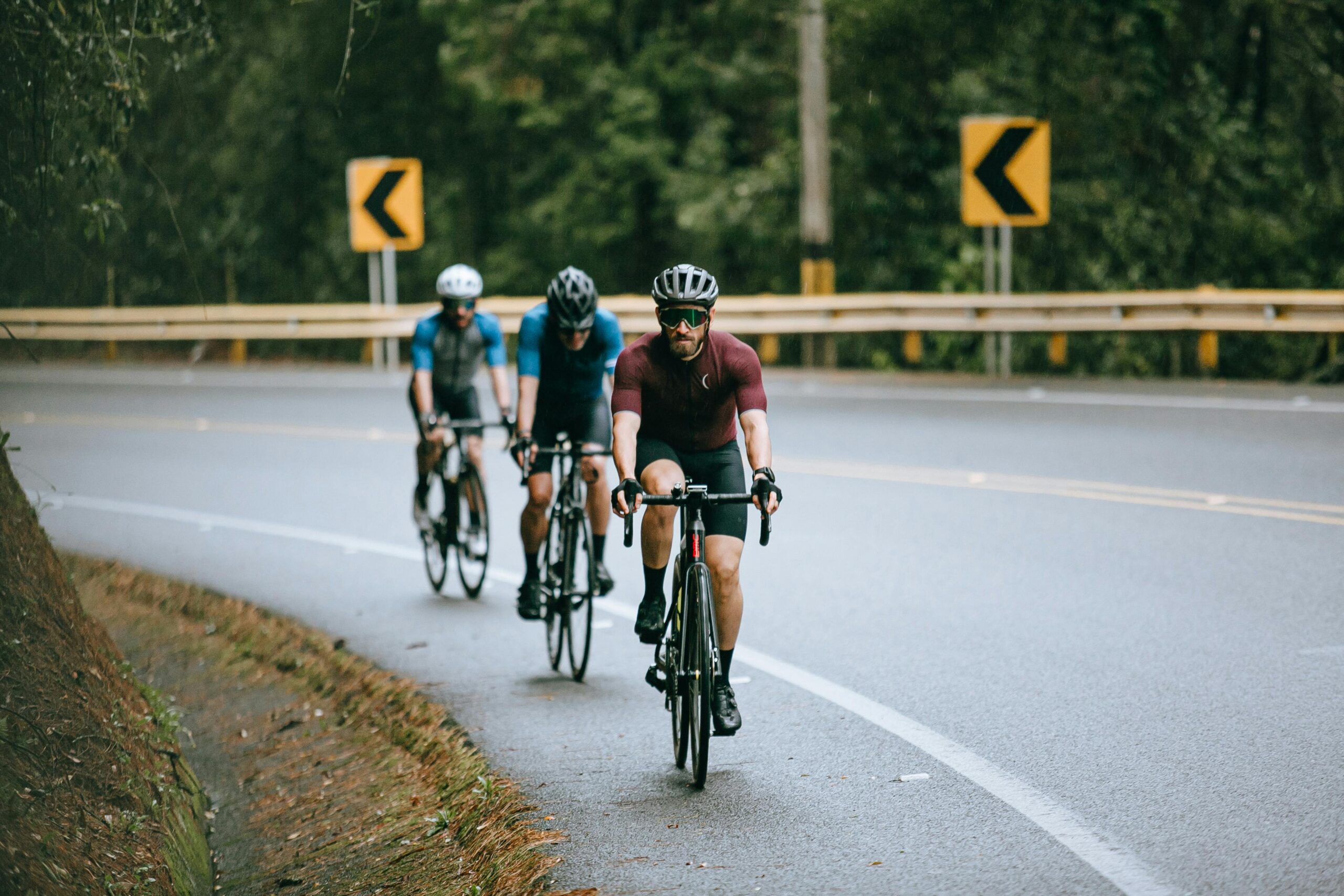
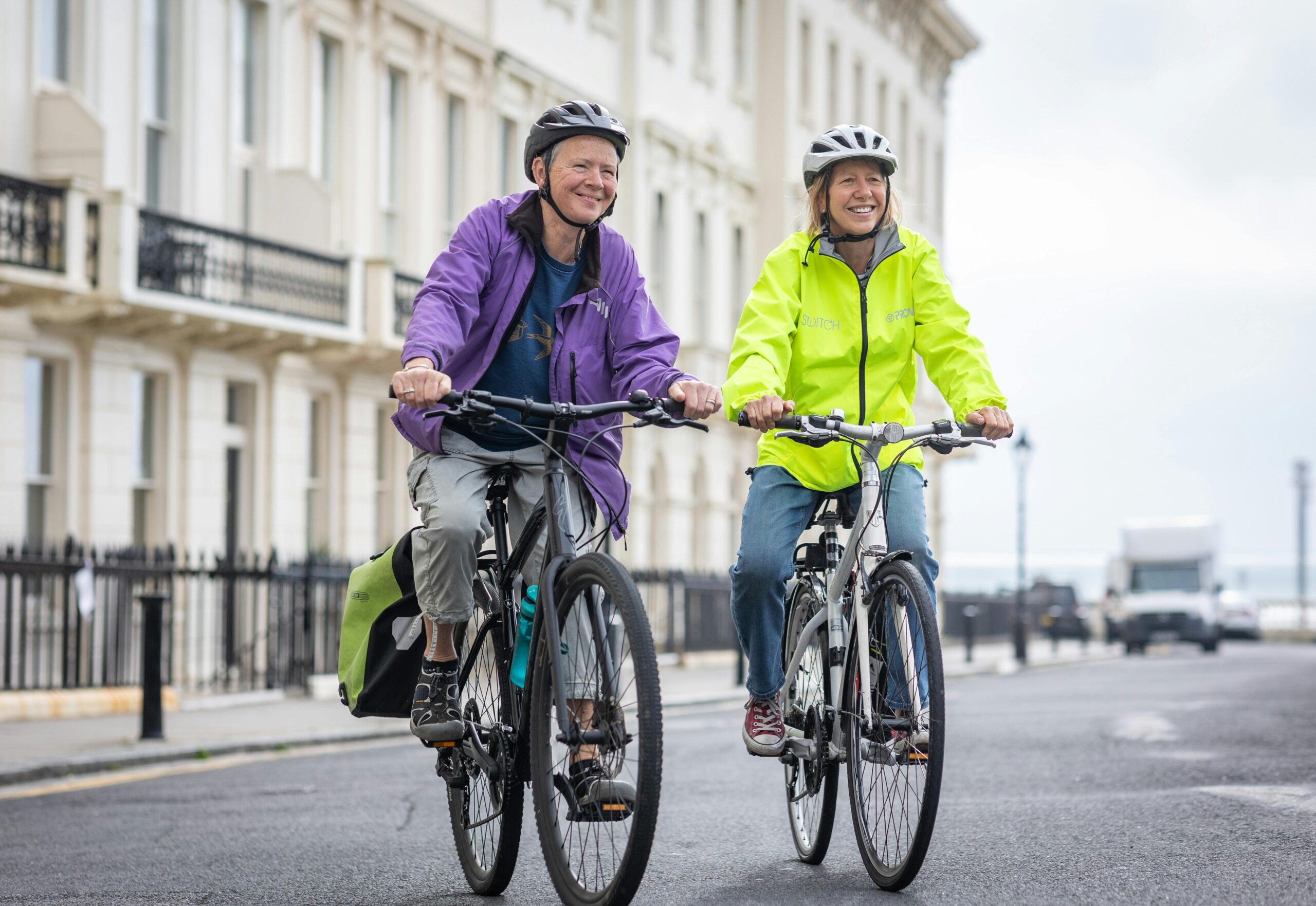
    Featured image: Detrás del Fotógrafo via Pexels.

    Original Facebook post: The Cycling Week.

  • Cycling and Sleep Quality: What Every Older Rider Should Know

    Cycling and Sleep Quality: What Every Older Rider Should Know

    There’s a conversation that almost never happens in cycling circles — at least not among older riders regarding cycling and sleep quality. We talk about routes, bikes, gear ratios, training plans, aching knees, and the best café stops. But we rarely talk about the eight hours (or five, or six, or four fragmented ones) that come before we clip in.

    Sleep. The great unspoken performance variable.

    For younger cyclists, sleep is often treated as a nice-to-have — something to be sacrificed when life gets busy and reclaimed when it eases up. But for those of us in our 50s, 60s, 70s and beyond, the relationship between cycling and sleep quality runs deeper and more interestingly than most people realize. It flows in both directions. Our riding affects our sleep. Our sleep affects our riding. And the aging process changes the whole picture in ways worth understanding.


    First: What Aging Does to Sleep

    Before we get to cycling’s role, it helps to understand what’s already happening — because most of us notice the changes without necessarily knowing why.

    The science is clear: sleep genuinely changes as we age, and not always for the better. Research published in Sleep Science and Practice describes how older adults spend less time in both slow-wave (deep) sleep and REM sleep compared to younger adults. The time it takes to fall asleep creeps up. We wake more often during the night. And the sleep we do get is more fragmented and, on balance, less restorative than the sleep of our younger selves.

    There’s also a curious shift in timing. The Sleep Foundation explains that from around age 60 to 65, our circadian rhythms — the internal clocks that regulate when we feel sleepy and when we feel alert — begin to advance forward in time. In practice this means many older adults feel genuinely tired earlier in the evening and tend to wake earlier in the morning, sometimes at hours that feel socially inconvenient. It’s not insomnia. It’s biology.

    Perhaps the most interesting finding from the research is this: despite all of the above, healthy older adults are actually less likely to report feeling sleep-deprived than younger people. Studies suggest this may be because our sleep need itself reduces somewhat with age, and because the cognitive and emotional impairment that younger people suffer from poor sleep isn’t experienced as acutely by older brains. We adapt. We cope.

    But — and this is worth sitting with — “coping” isn’t the same as thriving. And when cycling enters the picture, the stakes of sleep quality change considerably.


    What Poor Sleep Does to Your Riding

    Here is something most recreational cyclists don’t know: sleep restriction has been directly studied in cycling contexts, and the results are striking.

    Research cited in the Journal of Clinical Medicine found that after sleep restriction, cyclists on a cycling ergometer showed measurably higher levels of lactate accumulation and a lower maximum oxygen uptake compared to when they were well-rested. In other words: the same effort felt harder, their bodies processed it less efficiently, and they fatigued faster.

    For older cyclists, this matters more than it might seem. We already have somewhat reduced VO2 max compared to our younger selves. Poor sleep doesn’t just subtract a little from the top — it compounds a vulnerability that’s already there.

    The mechanism is partly hormonal. A 2025 review in MDPI Journal of Clinical Medicine explains how sleep deprivation promotes a catabolic state in skeletal muscles by disrupting hormonal balance — specifically increasing cortisol while reducing anabolic hormones including growth hormone and testosterone. One study found that a single night of poor sleep reduced muscle protein synthesis rate by 18%. For older riders who depend on recovery between rides, that’s a significant hit.

    Then there’s the question of energy. During deep sleep, the body replenishes muscle glycogen — the fuel that powers sustained cycling effort. Poor sleep directly undermines that process, meaning you head out on your next ride already running low.

    And beyond the physical, there’s the mental dimension: the reaction times, the decision-making on a busy road, the attention that keeps a ride safe. Sleep deprivation reduces all of these. For older cyclists sharing roads with faster traffic, this isn’t a trivial consideration.

    None of this is cause for alarm. But it is cause for attention.


    Now for the Good News: Cycling and Sleep Quality

    Here is where the story becomes genuinely encouraging — and where recent research has been especially interesting.

    A 2025 meta-analysis published in Frontiers in Medicine, reviewing randomised controlled trials published up to May 2025, confirmed that exercise interventions significantly improve subjective sleep quality in older adults — across multiple measures and multiple exercise types.

    An earlier systematic review and meta-analysis, published in Clocks & Sleep, looked at structured physical exercise programmes in older adults and found significant improvements in both the Pittsburgh Sleep Quality Index (a standard clinical measure) and objectively measured sleep efficiency. Aerobic exercise — the kind that cycling delivers — featured prominently in the findings.

    The mechanisms are multiple and worth understanding:

    Body temperature. Moderate aerobic exercise raises core body temperature. In the hours after a ride, that temperature drops — a signal the body interprets as readiness for sleep. This is one of the reasons a ride in the afternoon or early evening (for most people) tends to improve sleep onset, not disrupt it.

    Adenosine build-up. Exercise increases the accumulation of adenosine in the brain — the chemical that creates sleep pressure. More adenosine means you feel more genuinely sleepy at bedtime, which in turn means falling asleep more naturally.

    Cortisol regulation. As discussed in last week’s post on stress and cycling, regular aerobic exercise helps the body manage cortisol more effectively. Since elevated cortisol is one of the enemies of deep, restorative sleep, exercise’s cortisol-regulating effect pays dividends at bedtime.

    Inflammation. Regular cycling helps reduce low-grade chronic inflammation, which research links to poor sleep in older adults. One viewpoint in the literature, cited in a 2025 Frontiers in Public Health meta-analysis, is that exercise helps restore stable sleep-wake cycles by improving inflammatory markers including TNF-α, IL-1β, and IL-6.

    Mental tiredness — the good kind. A ride that involves concentration, navigation, and engagement with the world outside produces a different kind of tiredness than sitting at a desk. The brain as well as the body has been used. For many cyclists, this translates directly into a deeper, more satisfying sleep.


    The Two-Way Street: Why This All Connects Cycling and Sleep Quality

    The most useful way to think about cycling and sleep quality in later life is as a virtuous cycle — or, potentially, a vicious one.

    Regular moderate cycling improves sleep quality. Better sleep improves your capacity to ride — and to recover from riding. Better recovery means you can ride more consistently. Consistent riding continues to improve sleep. On it goes.

    Conversely: poor sleep leaves you too fatigued or unmotivated to ride. Without the riding, sleep quality tends to worsen. Worse sleep means the next session feels harder and takes longer to recover from.

    Understanding this connection gives you a lever. If your sleep has been poor, it’s an argument for getting on the bike, not an argument against it. Not for a heroic effort — just a gentle, consistent ride. The biology will follow.


    A Few Practical Thoughts

    Research and lived experience are not always the same thing, and most of us have worked out some of our own rhythms over the years. But for what it’s worth, here’s what the evidence suggests:

    Morning and afternoon rides tend to be best for sleep. For most older adults, whose circadian rhythms already run slightly earlier, a ride before 3pm works best. Evening rides aren’t necessarily harmful, but they’re more variable. Listen to your own body on this one.

    Consistency matters more than intensity. Regular moderate cycling — the sort where you’re breathing harder but could still hold a conversation — appears to produce the greatest sleep benefits over time. Sporadic hard efforts don’t seem to have the same cumulative effect.

    Natural light is part of the mechanism. Riding outdoors in daylight, particularly in the morning, helps calibrate your circadian rhythm. The light exposure signals to your brain what time of day it is — which in turn helps consolidate the difference between your alert hours and your sleep hours. Another point in favour of the outdoor ride over the turbo trainer.

    Don’t write off the nap. Some older adults find that a short nap (20-30 minutes, earlier in the afternoon rather than later) helps bridge the gap when nights are shorter. This is a normal adaptation to shifting sleep patterns, not a failure. Many cultures have always known this.

    If sleep problems are serious, seek proper help. Cycling is genuinely useful here. But persistent insomnia, sleep apnea, or other disorders deserve medical attention. A GP or sleep specialist can help in ways that no training plan can.


    A Final Reflection

    There’s a habit of mind in cycling culture — particularly among those of us who came to it later in life — of separating the ride from the rest of life. The bike is its own world, with its own demands and its own rewards.

    But the longer I cycle, the less that separation makes sense. The quality of what happens off the bike shapes everything that happens on it. The food we eat. The company we keep. The rest we allow ourselves. The cycling and sleep quality relationship runs deep.

    Sleep sits at the heart of that. It’s where the body does its quiet, unglamorous work of rebuilding — repairing the muscles, consolidating the memories, regulating the hormones, restoring the mind. You can’t see it. You’re not conscious of it. But it is, in many ways, the most important part of training.

    And cycling — steadily, consistently, outdoors in the light and air — turns out to be one of the most practical and pleasurable things an older rider can do to protect it.

    That’s not a bad reason to go for a ride today.


    Enjoyed this post? Subscribe to Active Agers Cycling and get new posts straight to your inbox — along with our free Beginner’s Cycling Guide.

    Tags: sleep, active aging, cycling health, recovery, circadian rhythm, senior cycling, wellbeing
  • Stress, Ageing, and the Surprising Power of the Pedal

    Stress, Ageing, and the Surprising Power of the Pedal

    You would think that getting older would make stress easier to manage. After all, haven’t we seen enough of life to know that most things work themselves out? Haven’t the decades taught us perspective? The answer, it turns out, is more complicated — but for seniors cycling stress free is genuinely within reach — and more interesting — than a simple yes or no.

    The Assumption — and Why It’s Only Half True

    There’s a popular belief that older adults are, on balance, calmer and more at peace than their younger counterparts. And on one level, the research supports this. A landmark study from the National Study of Daily Experiences, tracking nearly 2,900 Americans over 20 years, found that older adults do report fewer daily stressors than younger people and tend to recover from stress more quickly when it does occur. With age comes what psychologists call emotional regulation — the hard-won ability to manage feelings, let go of things beyond our control, and keep perspective when life gets messy.

    So far, so encouraging. But here’s where it gets more nuanced.

    The Stress That Doesn’t Go Away

    While older adults may be better at handling everyday frustrations, they face a distinct category of stressors that younger people rarely encounter — and these can hit hard. The World Health Organization identifies the following as key stress drivers for people over 60:

    • Bereavement — losing a spouse, siblings, lifelong friends
    • Declining health — managing chronic conditions, pain, and reduced mobility
    • Loss of independence — giving up driving, changing living arrangements
    • Financial insecurity — fixed incomes, rising costs, healthcare expenses
    • Social isolation — which affects roughly one in four older adults globally, according to the WHO
    • Ageism — being overlooked, dismissed, or patronised by a society that doesn’t always value its elders

    A 2024 meta-analysis published in BMC Geriatrics found that stress, anxiety, and depression are significantly prevalent in older populations worldwide — not rare exceptions. And critically, chronic stress in older adults carries higher health stakes. The American Institute of Stress notes that sustained stress accelerates the very conditions we’re already more vulnerable to: cardiovascular disease, arthritis, cognitive decline, and a weakened immune response.

    In other words: older adults may be emotionally wiser about small stresses, but the big ones — the losses, the health scares, the loneliness — can be just as heavy, if not heavier, than anything they faced at 35. Seniors cycling stress free is hard work – but very attainable.

    The Biology of Stress and Ageing

    There’s another dimension that often goes unmentioned: the body itself changes how it processes stress. As we age, the hypothalamic-pituitary-adrenal (HPA) axis — the system that regulates our stress hormone cortisol — becomes less efficient. Cortisol levels that naturally rise with age can stay elevated longer after a stressful event, taking more time to return to baseline. Research published in the European Review of Aging and Physical Activity found that this prolonged cortisol exposure contributes to immune suppression, increased insulin resistance, and accelerated cognitive decline.

    This is not a counsel of despair — it’s a call to action. Because the same research that reveals these vulnerabilities also points clearly to one of the most effective antidotes available to us. https://www.who.int/news-room/fact-sheets/detail/mental-health-of-older-adults

    Seniors Cycling Stress Free: Where the Bike Comes In

    Exercise — and cycling in particular — is one of the most well-documented stress-management tools we have, and the evidence for older adults is growing stronger.

    A groundbreaking year-long clinical trial published in the Journal of Sport and Health Science in 2026 found that adults who engaged in 150 minutes of moderate aerobic exercise per week showed a significant reduction in long-term cortisol levels compared to a control group. The lead researcher, Dr. Peter Gianaros of the University of Pittsburgh, described this as the strongest evidence yet that regular exercise is a legitimate medical intervention for stress — not just a lifestyle choice.

    And for cycling specifically, a study from the Journal of Applied Gerontology tracking 98 community-dwelling older adults (average age 73) through an 8-week cycling programme found that participants experienced:

    • A significant reduction in acute perceived stress during rides
    • Measurable decreases in anxiety and fear of falling
    • A meaningful drop in long-term perceived stress by the end of the programme

    Stanford’s Lifestyle Medicine programme explains the mechanism simply: “Regular movement provides the opportunity for cortisol to run its natural course — to rise, lower, and come into balance.” Cycling at moderate intensity — the kind where you’re breathing a little harder but could still hold a conversation — hits what researchers call the “sweet spot” for cortisol regulation.

    It’s Not Just Chemistry — It’s Community

    The stress-relief benefits of cycling aren’t purely hormonal for seniors cycling stress free. Two other factors matter enormously for older adults:

    • Social connection — A 2024 longitudinal study in Depression and Anxiety found that social support was one of the most powerful moderators of stress in older adults. Group rides, cycling clubs, and cycling communities directly address the social isolation that the WHO identifies as a top stress driver in later life. You’re not just pedalling — you’re belonging.
    • Sense of purpose and achievement — Setting a goal (a new route, a longer ride, a charity cycle) and reaching it activates the brain’s reward systems. It counters the loss of purpose that retirement or health changes can bring, and replaces it with something forward-looking.

    What the Research Doesn’t Settle — And Why That’s Okay

    In the spirit of honest reflection, it’s worth acknowledging what science hasn’t fully resolved. The same 2024 cycling study noted that biological stress markers — cortisol in saliva and hair — didn’t show statistically significant changes, possibly because the intervention was short (8 weeks) or the cycling intensity was relatively gentle. More research is needed to understand exactly how much, how hard, and how often we need to ride to move the needle on the body’s chemistry.

    But here’s what the research does consistently show: people who cycle regularly feel less stressed. They report better moods, lower anxiety, and greater wellbeing. And for those of us who have been around long enough to know that how you feel is not a trivial thing — that matters enormously.

    Practical Steps: Getting on the Bike When Life is Heavy

    If stress is part of your life right now — and for most of us, it is — here are some ways to make cycling work for you:

    1. Start small. Even a 20-minute gentle ride three times a week can begin to shift your stress baseline. You don’t need to go far or fast.
    2. Ride with others. The social dimension amplifies the benefit. A riding companion, a local group, or a club ride turns exercise into connection.
    3. Go outside. Research consistently shows that outdoor exercise reduces stress more effectively than indoor equivalents. Fresh air, green spaces, and natural light all play their part.
    4. Let it be unstructured sometimes. Not every ride needs a goal. Some of the best stress relief comes from simply turning the pedals with nowhere particular to be.
    5. Consider an e-bike. If physical limitations make sustained cycling difficult, an electric-assist bike means you can still get the fresh air, the movement, and the community — without overdoing it.

    A Final Thought

    Older adults have indeed earned a form of wisdom that younger people are still working towards. The ability to step back, to see the bigger picture, to know that this too shall pass — these are real gifts of experience. But wisdom doesn’t make us immune. The losses are real. The health worries are real. The loneliness can be real.

    What cycling offers isn’t a cure for any of that. It’s something perhaps more valuable: a regular practice of renewal. A ritual that clears the head, regulates the body, connects us to other people, and reminds us — with every pedal stroke — that we are still here, still moving, still capable of more than we might sometimes believe.

    That’s not a bad prescription for a stressful world.


    The Active Ager's Beginner Cycling Guide

    🚴 Enjoy this post? Get more like it — free.

    Subscribe to Active Agers Cycling and receive new blog posts straight to your inbox — plus our free Beginner’s Cycling Guide as a thank-you gift.

    ✉ Subscribe & Get Free Guide
  • Sharing the Road with Wisdom

    Sharing the Road with Wisdom

    In every cycling community, there’s a familiar tension between the freedom of the road and the etiquette that keeps everyone safe. As experienced cyclists, with an understanding of senior cyclists road safety, we’ve ridden through decades of changing infrastructure, laws, and attitudes. This reflection is for those who’ve learned — sometimes the hard way — that safety and courtesy are inseparable.

    When the Headlines Hit Close to Home

    Every so often, cycling makes headlines for the wrong reasons — a rider choosing the road instead of a nearby bike lane, sparking a wave of debate between drivers and cyclists alike. It’s a scenario most of us have either witnessed or found ourselves in.

    As a longtime rider, I see both perspectives. Some bike lanes simply aren’t safe — rough surfaces, debris, tight squeezes, or unpredictable merges can make them more dangerous than the traffic lane beside them. When you’ve been cycling for decades, you learn that smooth, predictable riding is often safer than nervously dodging obstacles in a poorly designed lane.

    Senior Cyclists Road Safety: The Responsibility That Comes With the Road

    Still, the choice to ride on the road comes with real responsibility. Once we’re there, we’re part of traffic. That means:

    • Obeying signals — red lights and stop signs apply to us too, no exceptions.
    • Riding predictably — no sudden swerves, no hugging the white line erratically. Cars need to anticipate your line.
    • Giving clear signals — hand signals for turns and stops aren’t just polite, they’re essential safety communication.
    • Not impeding traffic unnecessarily — riding two abreast on a busy main road during rush hour tests everyone’s patience and patience runs thin fast.
    • Making yourself visible — bright gear, front and rear lights even in daylight, and a confident road position all contribute to being seen.

    Courtesy keeps us safe — and earns the respect of the very drivers we depend on to share space with us every time we ride. https://www.nhtsa.gov/road-safety/bicyclists

    What Experience Actually Teaches You

    There’s something that happens after you’ve logged thousands of miles. You stop seeing the road as something to conquer, and start seeing it as a shared resource. Young riders sometimes ride with an edge of defiance — proving a point to every driver who gets too close. Experience softens that. Not out of timidity, but out of wisdom.

    You learn to read traffic before it reacts to you. You anticipate the driver who’s about to pull out of a side street. You leave more room. You make eye contact at junctions. You give a nod of thanks when a lorry waits patiently. These small acts of mutual recognition build a kind of unspoken compact — I respect your space; please respect mine.

    Cycling at Our Age: It’s About How We Ride

    Cycling at our age isn’t about proving a point. It’s about staying active, staying visible, and staying respectful. The roads haven’t always been kind to cyclists, and they still aren’t everywhere — but the culture is shifting, slowly, in the right direction.

    We can be part of that shift. Every time an older cyclist rides calmly, courteously, and confidently — in proper gear, following the rules, giving a friendly wave — we represent this community well. We show drivers that cyclists aren’t a monolith of reckless red-light-runners. We show younger riders what considered cycling looks like.

    Experience brings perspective — and that perspective should remind us that wisdom on the road isn’t just about where we ride, but how we ride.

    A Note on Visibility

    One of the simplest and most effective things any of us can do is be seen. High-visibility clothing, front white lights, rear red lights — these aren’t optional extras, they’re core equipment. Studies consistently show that lit, brightly dressed cyclists are given more space by passing drivers. It’s an easy win.

    If you’re not already riding with lights in daylight hours, make today the day you start. Your future self — and the drivers behind you — will thank you.

    Join the Conversation

    What’s your experience of sharing the road? Have you ever made the call to take the traffic lane over a bike lane — and why? We’d love to hear from the Active Agers Cycling community in the comments below.

    And if you found this post useful, consider sharing it with a fellow rider. The more we talk openly about road etiquette and safety, the better it gets for all of us.


    🚴 Enjoy this post? Get more like it — free.

    Subscribe to Active Agers Cycling and receive new blog posts, cycling tips, and our free Beginner’s Cycling Guide — straight to your inbox.

    The Active Ager's Beginner Cycling Guide - free download

    🚴 Enjoy this post? Get more like it — free.

    Subscribe to Active Agers Cycling and receive new blog posts straight to your inbox — plus our free Beginner’s Cycling Guide as a thank-you gift.

    ✉ Subscribe & Get Free Guide
  • Why Cycling is Perfect for Active Agers

    Why Cycling is Perfect for Active Agers

    If you’re over 50 and looking for a low-impact way to stay active, improve your health, and enjoy the outdoors — the cycling benefits older adults enjoy make it one of the best decisions you ever make. Whether you’re returning to the bike after years away or getting started for the first time, cycling offers a unique combination of physical, mental, and social benefits that few other activities can match.

    Cycling Benefits Older Adults: Physical Health

    Research consistently shows that regular cycling can dramatically improve the health and quality of life for older adults. Here’s what the science says:

    • Cardiovascular health: Cycling strengthens your heart and lungs, reducing the risk of heart disease, high blood pressure, and stroke.
    • Joint-friendly movement: Unlike running, cycling is a low-impact exercise that puts minimal stress on your knees, hips, and ankles — making it ideal for those with arthritis or joint pain.
    • Muscle strength and balance: Regular riding builds leg strength and improves overall balance, reducing the risk of falls — one of the leading causes of injury in older adults.
    • Weight management: A 30-minute moderate ride can burn 200–300 calories, helping you maintain a healthy weight.
    • Improved bone density: Combined with strength exercises, cycling supports bone health and helps fight osteoporosis.

    Mental Health and Cognitive Benefits

    The benefits of cycling go far beyond the physical. For active agers, getting out on the bike regularly can have a profound effect on mental wellbeing:

    • Reduces depression and anxiety: Exercise triggers the release of endorphins, serotonin, and dopamine — your brain’s natural mood boosters.
    • Sharpens cognitive function: Studies suggest that aerobic exercise like cycling can slow age-related cognitive decline and reduce the risk of dementia.
    • Relieves stress: There’s nothing quite like fresh air, open roads, and the rhythm of pedaling to clear your mind.
    • Boosts confidence and independence: The ability to get out, explore, and cover distance on your own terms is incredibly empowering.

    Getting Started: Tips for New and Returning Cyclists

    Many forms of exercise become harder to sustain as we age. https://www.cdc.gov/physicalactivity/basics/older_adults/index.htm. High-impact sports can lead to injury; gym routines can feel monotonous. Cycling stands apart for several reasons:

    • Scalable intensity: You control the pace. Whether you prefer a gentle 5-mile spin or a challenging 30-mile ride, cycling works at every fitness level.
    • E-bikes open new doors: Electric-assist bikes have been a game-changer for older riders, allowing you to tackle hills and longer distances without overexertion — keeping cycling accessible as fitness levels change.
    • No gym required: Cycling gets you outside, into nature, and around your community — which adds enjoyment and motivation that indoor workouts simply can’t replicate.
    • Sociable and community-driven: Group rides are a wonderful way to meet people, stay accountable, and make lasting friendships.

    Cycling Benefits Older Adults: Getting Started Tips

    Ready to get rolling? Cycling benefits older adults. Here are a few tips to help you start safely and confidently:

    1. Get a bike fit: Visit a local bike shop and get properly fitted. A good fit prevents pain and injury and makes riding far more enjoyable.
    2. Start slow: Begin with 15–20 minute rides and gradually increase distance and duration over several weeks.
    3. Wear a helmet — always: Safety first. A properly fitted helmet is non-negotiable.
    4. Consider an e-bike: If you’re returning after a long break or dealing with any physical limitations, an e-bike lets you enjoy the ride without overdoing it.
    5. Ride with others: Join a local cycling group or club (like us!) to stay motivated, learn new routes, and enjoy the social side of cycling.
    6. Talk to your doctor: If you have any health conditions, check with your GP before starting a new exercise routine.

    Join the Active Agers Cycling Community

    At Active Agers Cycling, we believe that age is no barrier to adventure. Cycling benefits older adults. Our community is built around the joy of riding — at your own pace, in good company, and with a shared passion for staying active and healthy. Whether you’re a seasoned cyclist or just getting started, there’s a place for you here.

    Subscribe to our newsletter for ride updates, cycling tips, local route guides, and inspiration to keep you moving.

    Frequently Asked Questions

    Is cycling safe for seniors?

    Yes — cycling is one of the safest forms of exercise for older adults. Its low-impact nature means it’s gentle on joints. Always wear a helmet, follow road safety rules, and start at a comfortable pace.

    What type of bike is best for older cyclists?

    It depends on your goals and fitness level. Comfort bikes and hybrid bikes are popular for casual riding. E-bikes are an excellent option for those who want extra assistance on hills or longer rides.

    How often should seniors cycle?

    Aim for at least 150 minutes of moderate-intensity exercise per week, as recommended by the NHS and WHO. That could be five 30-minute rides, or three longer outings — whatever fits your lifestyle.


    🚴 Enjoy this post? Get more like it — free.

    Subscribe to Active Agers Cycling and receive new blog posts, cycling tips, and our free Beginner’s Cycling Guide — straight to your inbox.

    The Active Ager's Beginner Cycling Guide - free download

    🚴 Enjoy this post? Get more like it — free.

    Subscribe to Active Agers Cycling and receive new blog posts straight to your inbox — plus our free Beginner’s Cycling Guide as a thank-you gift.

    ✉ Subscribe & Get Free Guide