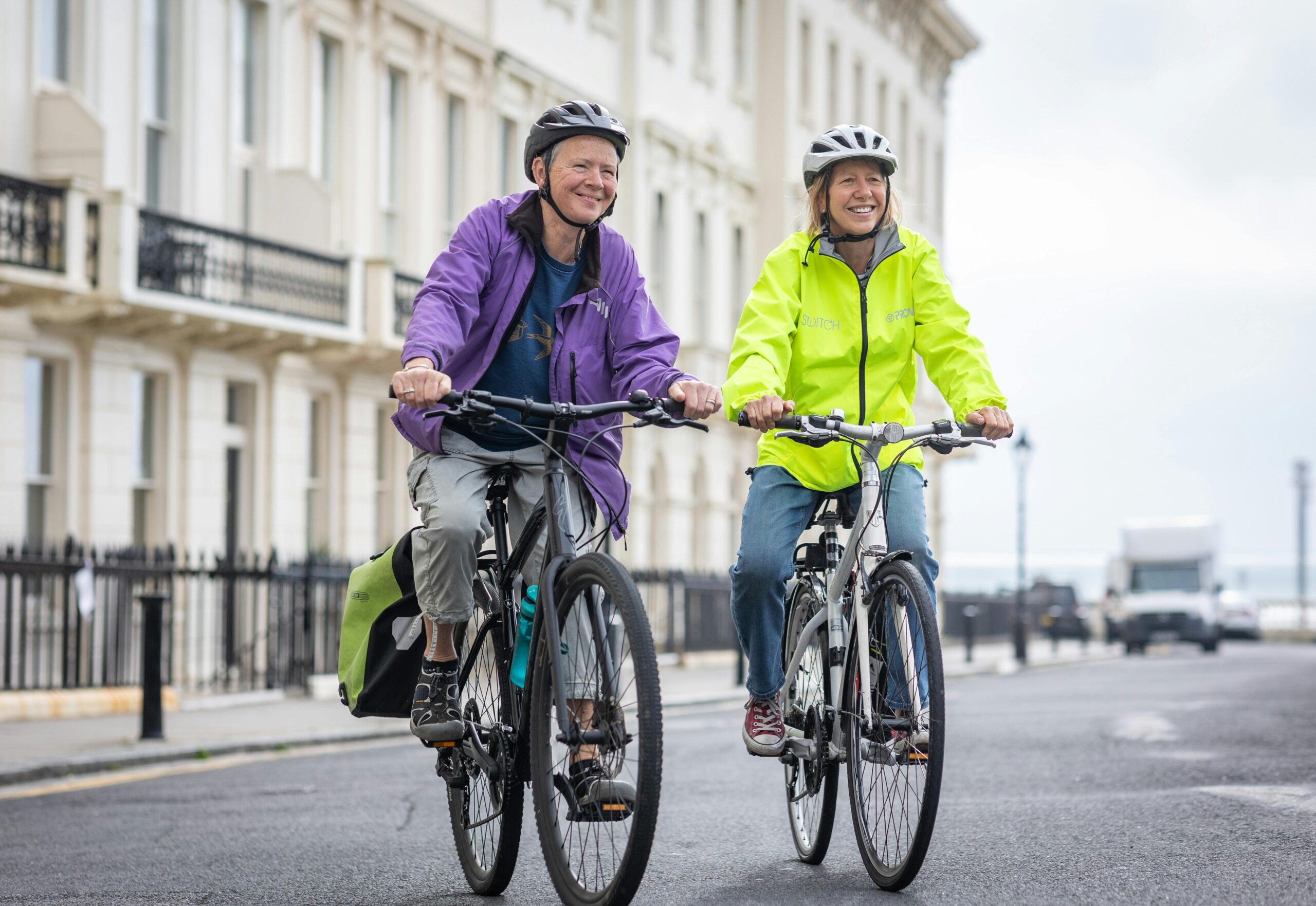
If you’re over 50 and looking for a low-impact way to stay active, improve your health, and enjoy the outdoors — the cycling benefits older adults enjoy make it one of the best decisions you ever make. Whether you’re returning to the bike after years away or getting started for the first time, cycling offers a unique combination of physical, mental, and social benefits that few other activities can match.
Cycling Benefits Older Adults: Physical Health
Research consistently shows that regular cycling can dramatically improve the health and quality of life for older adults. Here’s what the science says:
- Cardiovascular health: Cycling strengthens your heart and lungs, reducing the risk of heart disease, high blood pressure, and stroke.
- Joint-friendly movement: Unlike running, cycling is a low-impact exercise that puts minimal stress on your knees, hips, and ankles — making it ideal for those with arthritis or joint pain.
- Muscle strength and balance: Regular riding builds leg strength and improves overall balance, reducing the risk of falls — one of the leading causes of injury in older adults.
- Weight management: A 30-minute moderate ride can burn 200–300 calories, helping you maintain a healthy weight.
- Improved bone density: Combined with strength exercises, cycling supports bone health and helps fight osteoporosis.
Mental Health and Cognitive Benefits
The benefits of cycling go far beyond the physical. For active agers, getting out on the bike regularly can have a profound effect on mental wellbeing:
- Reduces depression and anxiety: Exercise triggers the release of endorphins, serotonin, and dopamine — your brain’s natural mood boosters.
- Sharpens cognitive function: Studies suggest that aerobic exercise like cycling can slow age-related cognitive decline and reduce the risk of dementia.
- Relieves stress: There’s nothing quite like fresh air, open roads, and the rhythm of pedaling to clear your mind.
- Boosts confidence and independence: The ability to get out, explore, and cover distance on your own terms is incredibly empowering.
Getting Started: Tips for New and Returning Cyclists
Many forms of exercise become harder to sustain as we age. https://www.cdc.gov/physicalactivity/basics/older_adults/index.htm. High-impact sports can lead to injury; gym routines can feel monotonous. Cycling stands apart for several reasons:
- Scalable intensity: You control the pace. Whether you prefer a gentle 5-mile spin or a challenging 30-mile ride, cycling works at every fitness level.
- E-bikes open new doors: Electric-assist bikes have been a game-changer for older riders, allowing you to tackle hills and longer distances without overexertion — keeping cycling accessible as fitness levels change.
- No gym required: Cycling gets you outside, into nature, and around your community — which adds enjoyment and motivation that indoor workouts simply can’t replicate.
- Sociable and community-driven: Group rides are a wonderful way to meet people, stay accountable, and make lasting friendships.
Cycling Benefits Older Adults: Getting Started Tips
Ready to get rolling? Cycling benefits older adults. Here are a few tips to help you start safely and confidently:
- Get a bike fit: Visit a local bike shop and get properly fitted. A good fit prevents pain and injury and makes riding far more enjoyable.
- Start slow: Begin with 15–20 minute rides and gradually increase distance and duration over several weeks.
- Wear a helmet — always: Safety first. A properly fitted helmet is non-negotiable.
- Consider an e-bike: If you’re returning after a long break or dealing with any physical limitations, an e-bike lets you enjoy the ride without overdoing it.
- Ride with others: Join a local cycling group or club (like us!) to stay motivated, learn new routes, and enjoy the social side of cycling.
- Talk to your doctor: If you have any health conditions, check with your GP before starting a new exercise routine.
Join the Active Agers Cycling Community
At Active Agers Cycling, we believe that age is no barrier to adventure. Cycling benefits older adults. Our community is built around the joy of riding — at your own pace, in good company, and with a shared passion for staying active and healthy. Whether you’re a seasoned cyclist or just getting started, there’s a place for you here.
Subscribe to our newsletter for ride updates, cycling tips, local route guides, and inspiration to keep you moving.
Frequently Asked Questions
Is cycling safe for seniors?
Yes — cycling is one of the safest forms of exercise for older adults. Its low-impact nature means it’s gentle on joints. Always wear a helmet, follow road safety rules, and start at a comfortable pace.
What type of bike is best for older cyclists?
It depends on your goals and fitness level. Comfort bikes and hybrid bikes are popular for casual riding. E-bikes are an excellent option for those who want extra assistance on hills or longer rides.
How often should seniors cycle?
Aim for at least 150 minutes of moderate-intensity exercise per week, as recommended by the NHS and WHO. That could be five 30-minute rides, or three longer outings — whatever fits your lifestyle.
🚴 Enjoy this post? Get more like it — free.
Subscribe to Active Agers Cycling and receive new blog posts, cycling tips, and our free Beginner’s Cycling Guide — straight to your inbox.
🚴 Enjoy this post? Get more like it — free.
Subscribe to Active Agers Cycling and receive new blog posts straight to your inbox — plus our free Beginner’s Cycling Guide as a thank-you gift.
✉ Subscribe & Get Free Guide