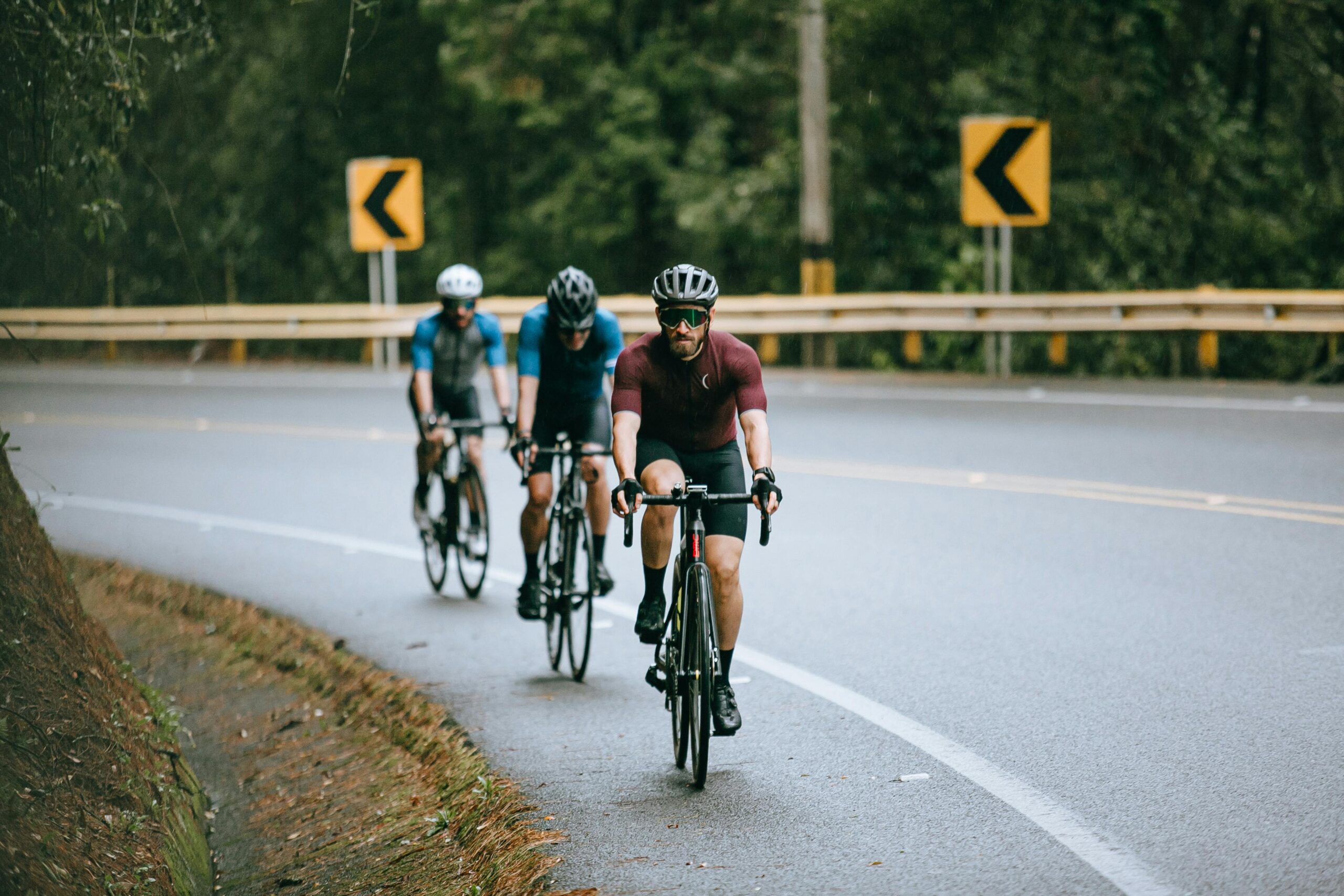
In every cycling community, there’s a familiar tension between the freedom of the road and the etiquette that keeps everyone safe. As experienced cyclists, with an understanding of senior cyclists road safety, we’ve ridden through decades of changing infrastructure, laws, and attitudes. This reflection is for those who’ve learned — sometimes the hard way — that safety and courtesy are inseparable.
When the Headlines Hit Close to Home
Every so often, cycling makes headlines for the wrong reasons — a rider choosing the road instead of a nearby bike lane, sparking a wave of debate between drivers and cyclists alike. It’s a scenario most of us have either witnessed or found ourselves in.
As a longtime rider, I see both perspectives. Some bike lanes simply aren’t safe — rough surfaces, debris, tight squeezes, or unpredictable merges can make them more dangerous than the traffic lane beside them. When you’ve been cycling for decades, you learn that smooth, predictable riding is often safer than nervously dodging obstacles in a poorly designed lane.
Senior Cyclists Road Safety: The Responsibility That Comes With the Road
Still, the choice to ride on the road comes with real responsibility. Once we’re there, we’re part of traffic. That means:
- Obeying signals — red lights and stop signs apply to us too, no exceptions.
- Riding predictably — no sudden swerves, no hugging the white line erratically. Cars need to anticipate your line.
- Giving clear signals — hand signals for turns and stops aren’t just polite, they’re essential safety communication.
- Not impeding traffic unnecessarily — riding two abreast on a busy main road during rush hour tests everyone’s patience and patience runs thin fast.
- Making yourself visible — bright gear, front and rear lights even in daylight, and a confident road position all contribute to being seen.
Courtesy keeps us safe — and earns the respect of the very drivers we depend on to share space with us every time we ride. https://www.nhtsa.gov/road-safety/bicyclists
What Experience Actually Teaches You
There’s something that happens after you’ve logged thousands of miles. You stop seeing the road as something to conquer, and start seeing it as a shared resource. Young riders sometimes ride with an edge of defiance — proving a point to every driver who gets too close. Experience softens that. Not out of timidity, but out of wisdom.
You learn to read traffic before it reacts to you. You anticipate the driver who’s about to pull out of a side street. You leave more room. You make eye contact at junctions. You give a nod of thanks when a lorry waits patiently. These small acts of mutual recognition build a kind of unspoken compact — I respect your space; please respect mine.
Cycling at Our Age: It’s About How We Ride
Cycling at our age isn’t about proving a point. It’s about staying active, staying visible, and staying respectful. The roads haven’t always been kind to cyclists, and they still aren’t everywhere — but the culture is shifting, slowly, in the right direction.
We can be part of that shift. Every time an older cyclist rides calmly, courteously, and confidently — in proper gear, following the rules, giving a friendly wave — we represent this community well. We show drivers that cyclists aren’t a monolith of reckless red-light-runners. We show younger riders what considered cycling looks like.
Experience brings perspective — and that perspective should remind us that wisdom on the road isn’t just about where we ride, but how we ride.
A Note on Visibility
One of the simplest and most effective things any of us can do is be seen. High-visibility clothing, front white lights, rear red lights — these aren’t optional extras, they’re core equipment. Studies consistently show that lit, brightly dressed cyclists are given more space by passing drivers. It’s an easy win.
If you’re not already riding with lights in daylight hours, make today the day you start. Your future self — and the drivers behind you — will thank you.
Join the Conversation
What’s your experience of sharing the road? Have you ever made the call to take the traffic lane over a bike lane — and why? We’d love to hear from the Active Agers Cycling community in the comments below.
And if you found this post useful, consider sharing it with a fellow rider. The more we talk openly about road etiquette and safety, the better it gets for all of us.
🚴 Enjoy this post? Get more like it — free.
Subscribe to Active Agers Cycling and receive new blog posts, cycling tips, and our free Beginner’s Cycling Guide — straight to your inbox.
🚴 Enjoy this post? Get more like it — free.
Subscribe to Active Agers Cycling and receive new blog posts straight to your inbox — plus our free Beginner’s Cycling Guide as a thank-you gift.
✉ Subscribe & Get Free Guide